The roots of the Revolutionary War can be traced to just after the French and Indian War that lasted from 1754 to 1763, in which the American colonists fought alongside British troops against the French and hostile Native American tribes, who controlled a large area of the interior of North America.
Britain's victory dramatically expanded its territory in North America, as far west as the Mississippi River, but massive war debt led to new taxes and policies that fueled discontent among the American colonists, contributing to the Revolutionary War.
The Sugar Act, passed by Parliament in 1764, taxed molasses that was used to flavor food and distill rum. The purported purpose of the tax was to pay for expenses related to British troops defending the colonies during the French and Indian War. The various tax acts that followed in the years ahead also used this as justification.
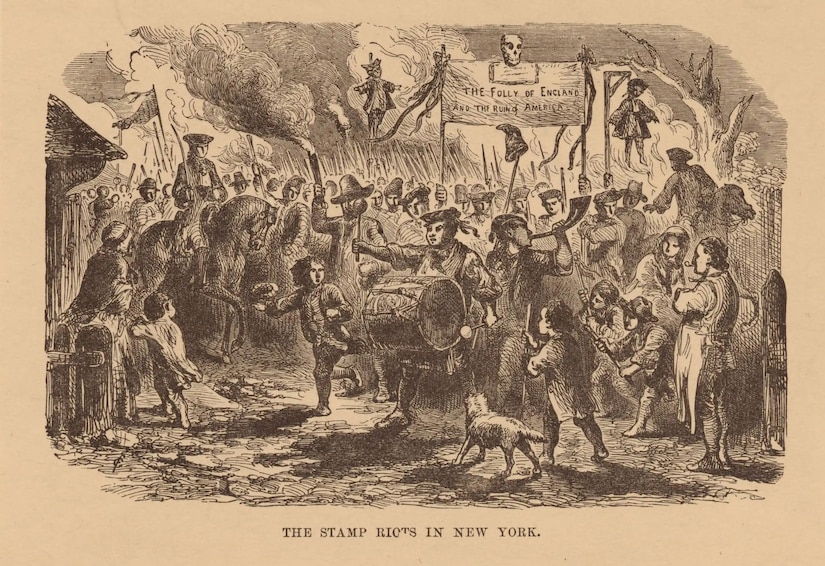
In 1765, Parliament imposed a tax on all printed material produced in the colonies.
The tax was especially disliked because it was imposed without their consent, leading to the slogan: "No taxation without representation."
The tax was repealed March 18, 1766, due to colonists boycotting British goods, which hurt trade.
In 1766, Parliament enacted a series of taxes known as the Townshend Act, named for the British politician who championed its passage.
A few years later, in 1773, Parliament passed the Tea Act, which was designed to prevent Americans from smuggling tea from other nations for a lower price than from Britain's East India Company.
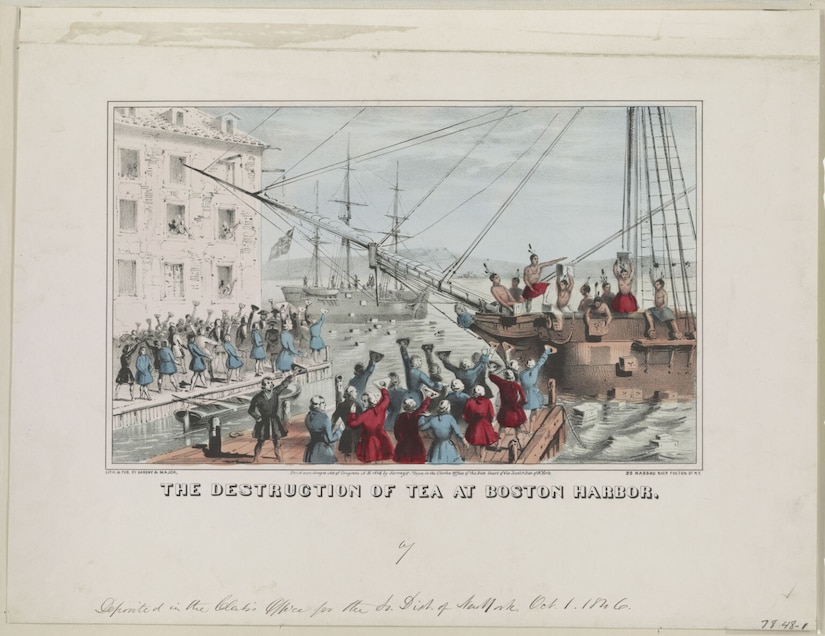
In Boston, Dec. 16, 1773, colonists boarded English tea ships in the harbor and tossed boxes of tea overboard in protest. This became known as the Boston Tea Party.
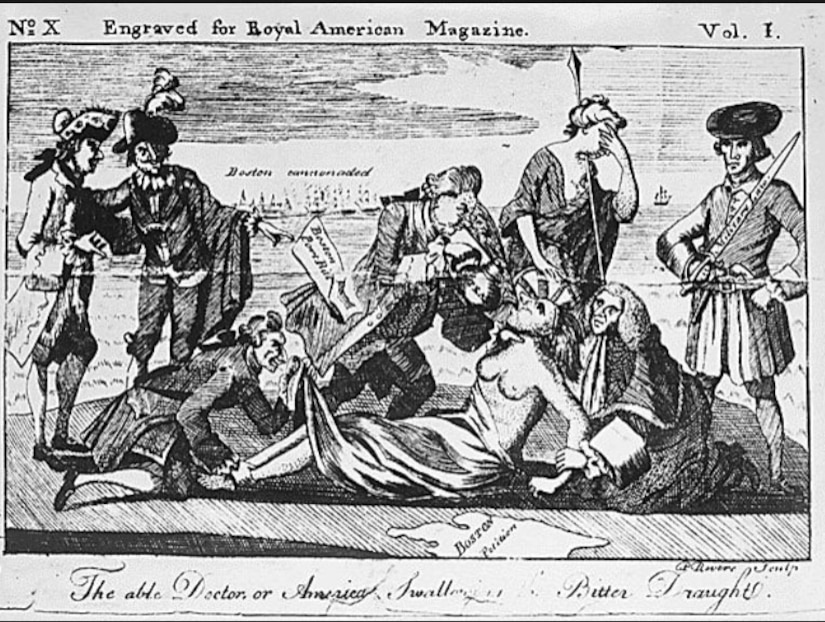
The punitive laws passed by Britain in 1774 against Massachusetts in retaliation for the Boston Tea Party became known as the Intolerable Acts. Parliament hoped to make an example of that colony by taking away its right of self-government. However, it had the opposite effect, enraging all 13 colonies.
Parliament passed the Quebec Act that same year, which extended that province's boundaries south into what is now Illinois, Indiana, Michigan, Minnesota and Wisconsin. Among other things, this act voided some of the colony's western land claims, areas they had helped conquer during the previous war.
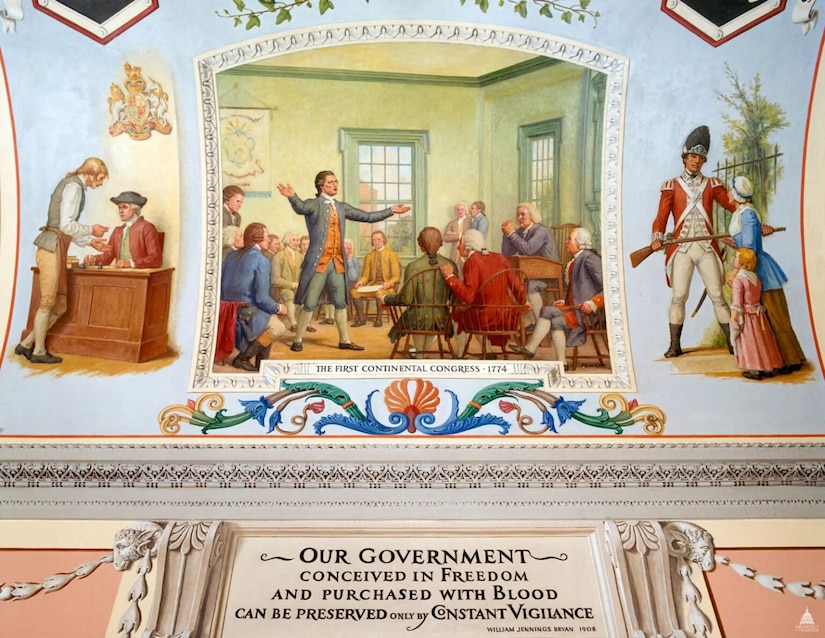
As a result of this and previous acts, the colonists, who now referred to themselves as patriots, organized the First Continental Congress, held from Sept. 5 to Oct. 26, 1774, in Philadelphia to coordinate protests.
The delegates drew up a petition to King George III, pleading for him to rectify their grievances and repeal the Intolerable Acts.
The appeal was unsuccessful, leading the delegates to convene the Second Continental Congress in Philadelphia in May 1775. The purpose of this gathering was to organize the defense of the colonies, as the Revolutionary War had already started April 19, 1775, with the Battles of Lexington and Concord.


No comments:
Post a Comment